


Winter Operations: How Stronger Reporting Protects Municipal Teams
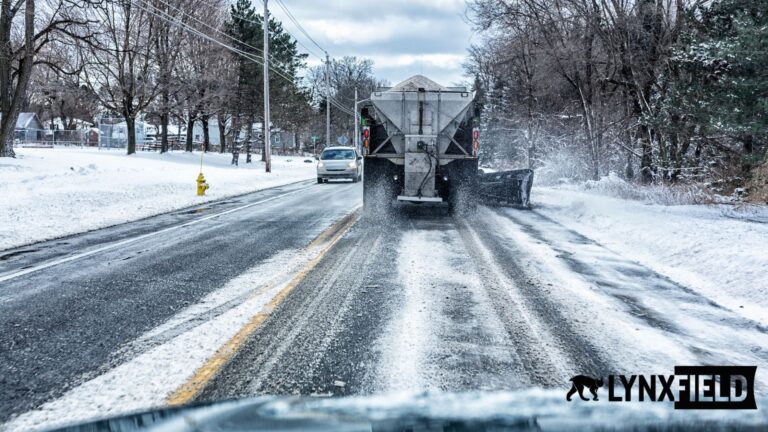
Each winter, municipal operations teams work under some of the most demanding conditions of the year. Crews deploy before dawn, navigate hazardous weather, and make fast decisions that directly affect public safety, operating budgets, and organizational risk.
What often changes is when those decisions are evaluated.
Weeks or even months after a storm, winter operations are increasingly reviewed by auditors, councils, insurers, and legal teams. These reviews frequently rely on fragmented data, incomplete records, or recollections that fade over time.
Modern winter operations are no longer judged solely on how quickly roads are cleared. Municipal teams are expected to demonstrate that the right decisions were made, at the right moment, for defensible reasons.
This is where better reporting becomes critical.
When Winter Operations Are Reviewed After the Storm
Post-event reviews have become standard practice. Municipal operations teams are now routinely asked to explain:
- Salt usage during high-cost winter events
- Shift coverage, call-ins, and response timing
- Decisions made during rapidly changing weather conditions
- Claims related to slip-and-fall incidents or vehicle damage
The problem is that many traditional reporting methods were never designed for this level of scrutiny.
Paper logs can be misplaced. Manual spreadsheets often lack context. GPS data without weather information only tells part of the story. When questions surface long after an event, staff may struggle to reconstruct the full picture.
Without reliable reporting, even well-run winter operations can appear disorganized or incomplete on paper.
Salt Usage: Moving From Assumptions to Evidence
Salt management remains one of the most visible and frequently questioned aspects of winter operations. Rising material costs, environmental concerns, and public scrutiny have increased pressure on municipalities to justify their use of salt.
Automated reporting shifts the conversation from “How much salt was applied?” to “Why was salt applied under those conditions?”
With integrated material tracking, municipalities can clearly document:
- When salt was applied
- Where it was applied
- How much material was used
- What road and weather conditions existed at the time
Instead of relying on estimates or memory, teams gain accurate, time-stamped records that align material usage with service standards and real-world conditions. This level of clarity supports audits, strengthens compliance, and builds trust with councils and the public.
Shift Logs That Reflect What Actually Happened
Winter shifts are rarely predictable. Crews may be called in early, extended beyond scheduled hours, or reassigned mid-storm as conditions evolve.
Automated shift logging captures:
- Start and end times
- Equipment and vehicles used
- Routes serviced
- Activities completed
More importantly, these logs reflect what occurred during the event, not what was reconstructed afterward. When questions arise around staffing levels or response times, managers are no longer forced to piece together multiple records. The information is already complete, consistent, and accessible.
Why Weather Context Changes Everything
One of the biggest limitations of traditional winter reporting is the absence of weather context.
A plow route driven at 2:00 a.m. means something very different if:
- Snowfall rates intensified unexpectedly
- Temperatures dropped faster than forecast
- Freezing rain followed an initial salting pass
When operational data is automatically linked to localized weather conditions, reviewers can see not just what happened, but why decisions were made. This context is essential during audits, legal reviews, and internal performance evaluations.
Live and Historical Photos: The Missing Evidence
Visual records are one of the most powerful — and often overlooked — components of modern winter operations reporting.
With automated image capture during operations, municipalities gain:
- Live visibility into roadway conditions during events
- Historical photos tied to time, location, and activity
- Clear evidence of conditions before, during, and after service
Photos provide transparency that written logs alone cannot. They help explain operational decisions and offer strong supporting evidence when winter response is questioned later. For operations teams, this is not about surveillance — it is about protection.
Reporting That Supports Crews, Not Burdens Them
The purpose of improved reporting is not to create more work for field teams. It is to eliminate manual paperwork and ensure critical information is captured automatically.
Effective winter operations reporting:
- Reduces after-shift documentation
- Improves consistency across crews and events
- Establishes a single, trusted source of truth
This allows teams to focus on keeping roads safe during active storms, confident that their actions are being accurately documented in the background.
Transparency Builds Confidence
Winter operations will always involve pressure and uncertainty. However, increased scrutiny does not have to be a burden.
When municipalities can clearly demonstrate what happened, when it happened, and why decisions were made, conversations shift. Audits move more smoothly. Claims are easier to defend. Leadership gains confidence in the data behind every operational decision.
Better reporting protects organizations — and the people doing the work — long after the snow has melted.
Quietly Supporting Defensible Winter Decisions
Many municipalities are now adopting integrated winter operations platforms, including those developed by Lynxfield, not to change how crews operate during storms, but to strengthen what happens afterward.
By automatically capturing salt application, shift activity, GPS movement, weather conditions, and live or historical roadway images every few seconds, these platforms create a reliable operational record without adding to the field staff’s workload.
The result is a clearer, more defensible picture of winter response — one that supports transparency, accountability, and confidence long after winter operations are reviewed.
