
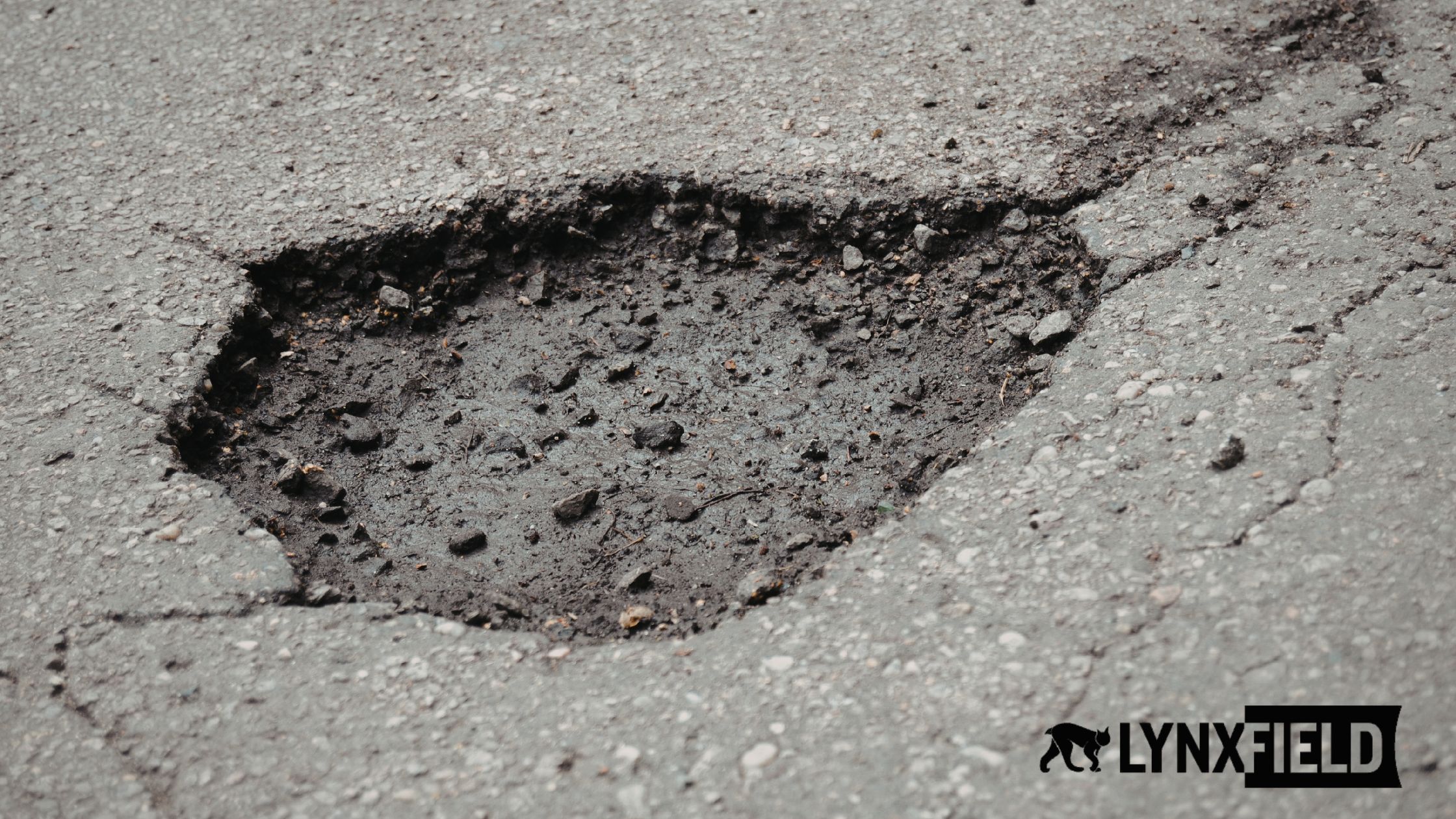
Every year, it arrives like clockwork.
The freeze-thaw cycles begin to loosen pavement, snowbanks melt away, and suddenly what was hidden becomes visible: potholes, cracks, and surface failures scattered across the network.
For residents, it’s frustrating.
For municipal teams, it’s something else entirely.
It’s pressure.
When the Calls Start Coming In
Public works departments know the pattern well. As soon as conditions shift, the phones light up. Service requests spike. Councillors get emails. Crews are pulled in multiple directions.
What starts as a manageable issue quickly becomes reactive:
- Dispatching crews based on incoming complaints
- Prioritizing the loudest or most visible issues
- Scrambling to document work after the fact
- Trying to maintain service levels while staying compliant
It’s not that teams aren’t prepared; it’s that the system itself is working against them.
Reactive maintenance becomes the default not by choice, but by necessity.
The Hidden Cost of “Just Keeping Up”
On the surface, filling potholes as they’re reported feels efficient. It addresses immediate concerns and keeps things moving.
But behind the scenes, the cost adds up.
Not just financially — operationally.
Reactive workflows often lead to:
- Inefficient routing: Crews doubling back across the same roads
- Incomplete documentation: Gaps in records that matter for compliance and liability
- Higher material usage: Short-term fixes instead of planned interventions
- Increased risk exposure: Limited proof of when issues were identified and addressed
And perhaps most importantly, a constant sense of being behind.
What If the Problem Wasn’t Just the Potholes?
What if the real challenge isn’t the volume of road issues, but the way they’re discovered and managed?
In many municipalities, issues are logged only after someone reports them.
But by then, crews are already reacting.
A different model starts earlier.
Shifting from Reactive to Proactive
Imagine this instead:
Road issues are automatically identified during routine patrols.
Crews don’t wait for calls; they’re already equipped with the information they need.
Work is logged in real time, not reconstructed at the end of a long shift.
Supervisors and managers have a clear, up-to-date view of what’s happening across the network — without having to chase updates.
This isn’t about adding more work.
It’s about making existing work more visible, coordinated, and manageable.
How Lynxfield Supports a More Controlled Season
At Lynxfield, we’ve worked closely with municipalities navigating this exact challenge.
The goal isn’t to overhaul operations overnight; it’s to support a more proactive, connected approach using the tools crews already rely on.
Here’s how that comes together:
AI-Assisted Patrol Detection
Routine patrols become more valuable when road issues are captured automatically. Crews don’t need to stop and log every defect; the system helps identify and record them as they go.
Mobile Work Management
Instead of juggling paperwork or delayed data entry, crews log work in real time. Everyone stays aligned, and nothing slips through the cracks.
GIS Mapping & Visibility
Decision-makers gain a live, map-based view of road conditions, completed work, and outstanding issues — helping them prioritize proactively rather than reactively.
More Control, Less Chaos
Pothole season will always be demanding.
But it doesn’t have to feel unpredictable.
When municipalities shift from reacting to anticipating, even in small ways, the impact is immediate:
- Crews work more efficiently
- Documentation becomes reliable and consistent
- Risk is reduced
- Teams feel more in control
And ultimately, service delivery improves not just for residents but also for the people responsible for keeping roads safe.
Because the Goal Isn’t Perfection — It’s Visibility
No municipality can prevent every pothole.
But having a clearer picture of what’s happening and the ability to act on it with confidence changes everything.
At Lynxfield, that’s the focus.
Helping teams move from chasing problems to managing them.